



16 Aug Should Post-Surgical Care Begin Before a Spokane Discharge?
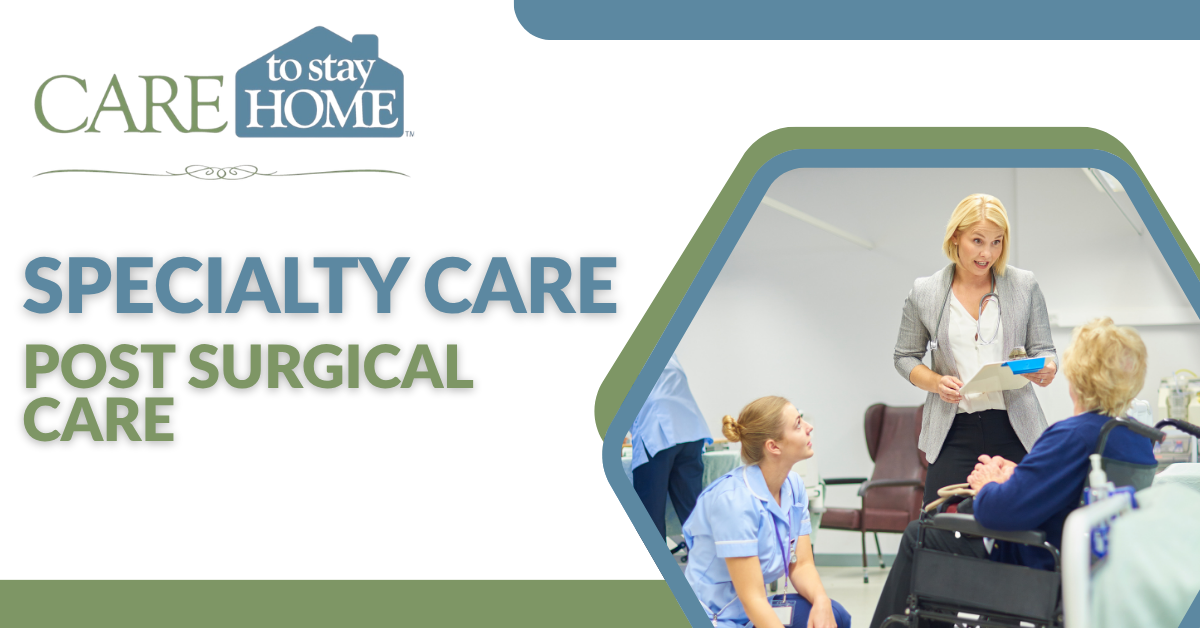
Start Recovery Planning Before Discharge
A hospital discharge can happen quickly, but returning home after surgery often takes more preparation than families expect. Before your loved one leaves the hospital, it helps to think through comfort, safety, routines, and who will be available when extra support is needed.
At Care To Stay Home, we can serve as a steady point person during this transition. Rather than spending every visit managing chores and recovery tasks, you can spend more meaningful time simply being a son or daughter. Early planning for post-surgical care for seniors in Spokane, WA gives families a clearer picture of the nonmedical In-Home support that may help a loved one settle back in comfortably.
Why Discharge Day Can Feel Overwhelming
Discharge day may come with new instructions, changed routines, tiredness, and mobility limits. Your loved one may need help with tasks they usually handle alone, while you may be trying to coordinate support with work, school schedules, errands, and family responsibilities.
Waiting until the last minute can make those decisions feel rushed. We often find that it is easier for families when a caregiver is prepared to support the client’s preferred routine from the first day home.
Post-Surgical Care may include help with everyday needs such as:
- Personal routines, including bathing and dressing support
- Meal preparation and light household tasks
- Mobility assistance around the home
- Reminders and companionship during recovery
Families exploring post-surgical care for seniors in Spokane, WA can benefit from starting the conversation before discharge plans are final. That extra time allows everyone to consider the home environment, family availability, and the kind of support that would feel most helpful.
A Complimentary In-Home Assessment Brings Clarity
A complimentary In-Home assessment is not simply a final step before care begins. It is a meaningful part of building a recovery plan that fits the individual. During this conversation, we can learn more about your loved one’s routines, preferences, home layout, anticipated recovery needs, and concerns your family may have.
Small details can make a big difference after surgery. A familiar pathway through the home, a favorite breakfast routine, or the location of a bathroom may affect how comfortable a client feels once they return home. The assessment gives us a chance to look at the whole situation rather than make assumptions from a hospital room or a phone conversation.
Together, we can discuss areas such as:
- Moving safely through commonly used rooms
- Meal routines and household needs
- Bathing, dressing, and personal care preferences
- Possible fall risks or areas where extra support may help
- Companionship during long or frustrating recovery days
This discussion also helps families decide whether Care To Stay Home is the right fit and what level of Post-Surgical Care may be appropriate. Instead of guessing what a loved one will need, you can make decisions with a better understanding of the support available.
Post-Surgical Care Supports Daily Routines
Recovery can be frustrating for a senior who is used to being independent. Suddenly needing help with getting dressed, making meals, or moving from room to room can feel discouraging. Consistent support can help preserve familiar routines while respecting the client’s dignity and preferences.
Our caregivers provide nonmedical In-Home care that is shaped around the client’s recovery plan and day-to-day needs. While medical questions should always be directed to the appropriate healthcare professional, we can help with the practical tasks that make home life feel more manageable.
A dependable caregiver can offer encouragement without taking over. That may mean being nearby during a walk through the home, preparing a simple meal, helping keep living spaces tidy, or providing conversation when recovery feels isolating. For family members, this support can ease the pressure of trying to be everywhere at once.
Instead of each visit becoming a list of tasks to complete, you may have more room to sit together, share a meal, or simply check in. Those moments matter, especially when a loved one is adjusting to a slower pace after surgery.
Plan Ahead for a Smoother Fall Recovery
Late summer can be a helpful time to look ahead. As fall approaches in Spokane, work demands, school schedules, changing weather, and household responsibilities can make it harder to arrange support on short notice. Planning before surgery or before discharge helps create more consistency during a period when daily routines may already feel unsettled.
Care needs can also change as recovery progresses. A personalized plan gives families a starting point and helps them think through what support may be useful when their loved one first arrives home. The goal is not to take family out of the picture. It is to give everyone a clearer role and reduce the stress that can come with trying to handle every detail alone.
When support is considered early, the transition home can feel more organized and less rushed. A thoughtful plan gives your loved one more comfort at home and gives your family more space to focus on being present together.
Guidance That Fits Your Loved One’s Recovery
Care To Stay Home can help you understand what post-surgical care for elders in Spokane, WA may look like for your loved one’s routine and recovery needs. Our complimentary In-Home assessment gives our team the opportunity to listen, assess the home environment, and recommend the right level of support. Contact us to schedule an assessment and let us become a trusted point person in your loved one’s care.