


12 Jul Preserving Dignity in Intimate Personal Care in Spokane: Privacy and Consent
Protecting Dignity During the Most Private Moments
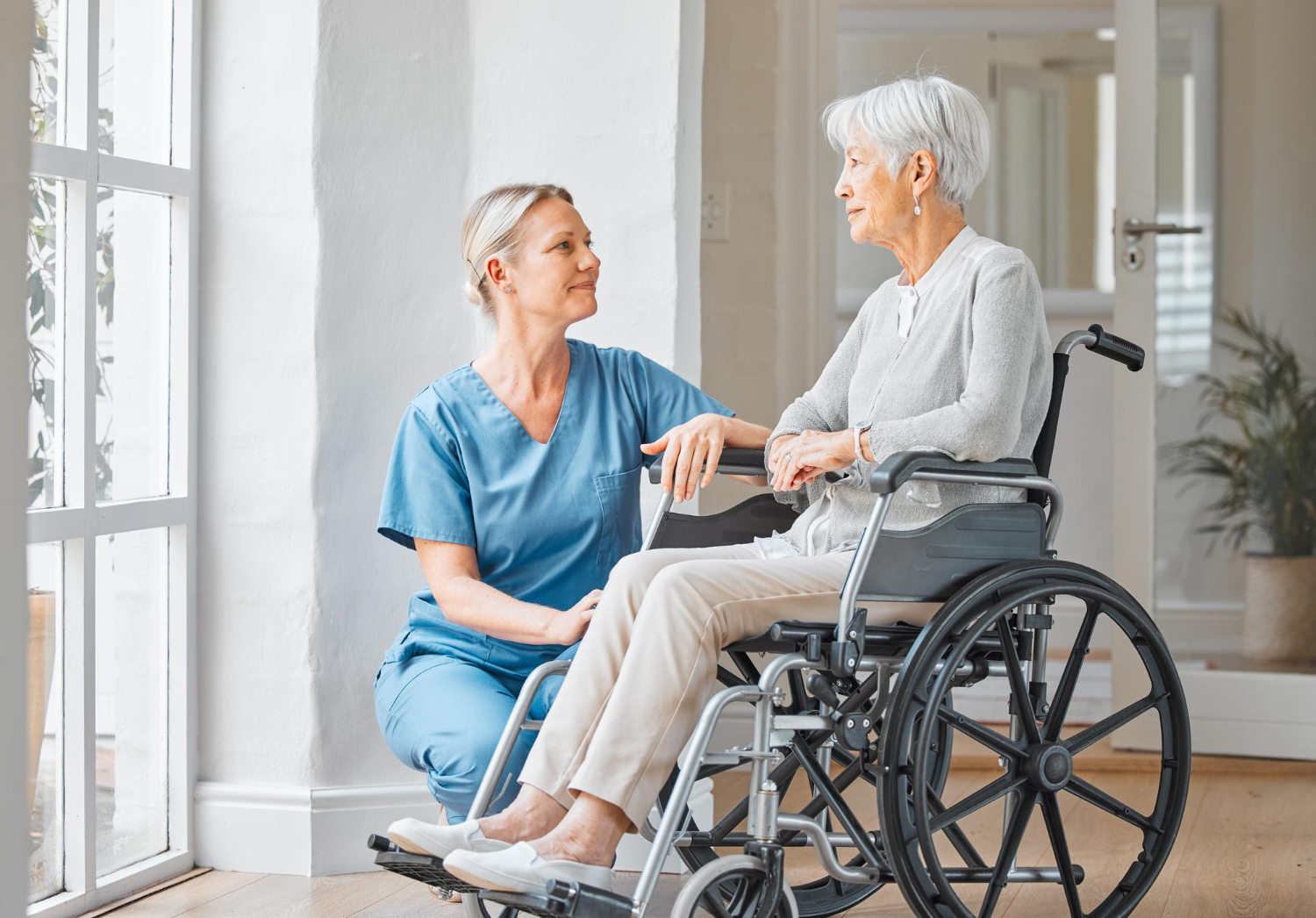
Intimate personal care means helping with the most private parts of daily life. This can include bathing, dressing, toileting, incontinence care, and grooming. These tasks are simple when someone is young and strong, but they can feel very vulnerable later in life. Many seniors feel nervous, embarrassed, or worried about losing control when they need help in these areas.
With in-home care in Spokane, these moments can feel softer and safer. Instead of leaving home for help, seniors can receive support in a space they already know. The familiar bathroom, the same towels, the favorite robe, all of this lowers stress. Our focus is on preserving dignity, honoring personal choice, and putting time and quality of care ahead of the money that pays for care.
When we step in as the point person for personal care, families no longer have to manage every intimate task. A son or daughter does not have to be the one helping with bathing or toileting. Our care team can guide those moments so families can go back to sharing meals, laughing together, and being present as loved ones, not full-time caregivers.
Setting the Stage for Respectful Intimate Care
Respectful care starts before any water runs in the shower or any clothing is changed. Our caregivers prepare for each personal care visit so the senior knows what to expect and feels as relaxed as possible.
That can include simple steps like:
- Explaining the plan for the visit before starting
- Gathering towels, soap, clean clothes, and needed supplies in advance
- Checking that the bathroom is warm enough, especially during Spokane’s cool mornings
- Making sure non-slip mats and grab bars are in place when needed
Privacy is a big part of dignity. Caregivers protect modesty by closing doors and curtains, turning away when a senior wants a moment, and using towels, robes, or blankets for draping. After bathing or toileting, we help choose clothing that feels both safe and dignified, not rushed or thrown together. Something as small as choosing a favorite sweater can make a senior feel more like themselves again.
We also know that who comes to the home matters. Intimate care should feel like trusted support, not a cold, clinical task. That is why we work to match caregivers with clients based on:
- Personality and sense of humor
- Communication style, such as calm and quiet or upbeat and chatty
- Language preferences and comfort around small talk or silence
This same thoughtfulness carries into each personal care visit so the whole day, not just the bath, feels comfortable and respectful.
Using Privacy Scripts and Clear Consent Every Time
Privacy scripts are simple phrases caregivers use during intimate care to keep the senior informed and in control. They sound small, but they change the whole tone of the visit. Instead of moving a body like a task, we speak with a person who has a voice and a choice.
Some examples of gentle, respectful language include:
- “Is it okay if I help you with your shirt now?”
- “Would you like a shower, or would you prefer a sponge bath today?”
- “I am going to help you stand up now. Are you ready?”
- “I need to help clean your skin after using the toilet. Is this spot okay to touch?”
We do not assume that a yes one time means yes forever. Needs change, moods shift, and comfort levels can rise and fall. Ongoing consent means:
- Asking before each new step
- Checking in during care, such as “Do you want to keep going or take a break?”
- Respecting a no, then trying another approach when possible
This approach gives seniors a sense of control over their own body. It also reassures families that their loved one’s choices matter in every visit, not just at the first care meeting. When privacy scripts are paired with the hands-on help we offer through our personal care services, intimate tasks become more predictable, calmer, and less scary.
Honoring Cultural, Religious, and Personal Preferences
Culture, religion, and personal history shape how people feel about modesty, touch, and privacy. Some seniors prefer a same-gender caregiver for bathing or toileting. Others may have strong beliefs about exposing certain parts of the body, or about who may be in the room during care.
We take time to learn these preferences early, then keep updating as families share more. That starts with:
- Asking respectful questions about comfort levels during the first care planning visit
- Talking about preferred bathing styles, such as shower, bath, or sponge bath
- Noting favorite products, like a certain soap, lotion, or hair oil
- Documenting clothing preferences, such as long sleeves, head coverings, or special garments
As life goes on, there may be new patterns to honor. A senior may want extra time for grooming and hair care before religious services, or special routines during family visits in the warmer Spokane months. When we know about these details, we can plan visits so the senior feels ready and confident, not rushed.
Honoring these preferences is not just about comfort. It protects dignity and helps a person keep their sense of identity. Even during very private tasks, we want each client to feel seen as a whole person, not defined by care needs.
Trauma-Informed Techniques for Safer, Calmer Care
A trauma-informed approach means we assume a senior may have gone through hard or frightening experiences in the past. These may be medical events, losses, or other personal trauma. We do not need the full story to offer gentle care. We simply move slowly, speak clearly, and pay close attention to how each person responds.
Trauma-informed techniques during intimate care can include:
- Announcing every movement before it happens, such as “I am going to turn you toward the sink now”
- Moving at the client’s pace, not the clock’s
- Avoiding sudden touches and always coming into view before contact
- Offering frequent chances to pause, stop, or change position
We also watch for nonverbal cues. Tension in the shoulders, shallow breathing, pulling away, or going suddenly quiet can all be signs that something does not feel okay. When we see these signs, we slow down, step back, and ask simple questions like “Is something hurting?” or “Do you want to try this a different way?”
In-home care in Spokane makes trauma-informed care easier to practice. The familiar home environment, favorite music, a trusted mug of tea, and regular caregivers all lower stress. Predictable routines, like a bath at the same time of day, help the body and mind relax. Many families notice that when we handle the more delicate tasks with this kind of care, time together outside the bathroom feels lighter and more connected.
Let Care To Stay Home Carry the Caregiving Load
Helping a parent with bathing, toileting, and other intimate tasks can be heavy on the heart. It can change how both people feel about each other, even when love is strong. During busy Spokane summers, when there are trips to plan, grandchildren to see, and outdoor plans to enjoy, the emotional weight of these private tasks can feel even more intense.
Our role is to carry that load. We coordinate the details of personal care so families do not have to manage privacy scripts, cultural preferences, or trauma-informed techniques on their own. When we are the point person for care, family members can:
- Spend visits talking instead of rushing through a bath
- Attend appointments together as a support, not a primary caregiver
- Share meals or simple outings while we handle the private routines
By centering dignity, time, and quality of care over the money that pays for care, we help seniors feel safer and more independent in the homes they love. Families can step back into the role of son or daughter, knowing that intimate care is given with respect, skill, and a calm presence. Our ongoing goal is to make every personal care visit feel as comfortable and human as possible, so home remains a place of privacy, choice, and peace.
Support Your Loved One With Compassionate Care at Home
If your family is considering care options, we can help you explore whether in-home care in Spokane is the right fit. At Care To Stay Home, we listen to your concerns and work with you to create a plan that respects your loved one’s independence and dignity. Reach out to our team with your questions or to discuss next steps through our contact page.